
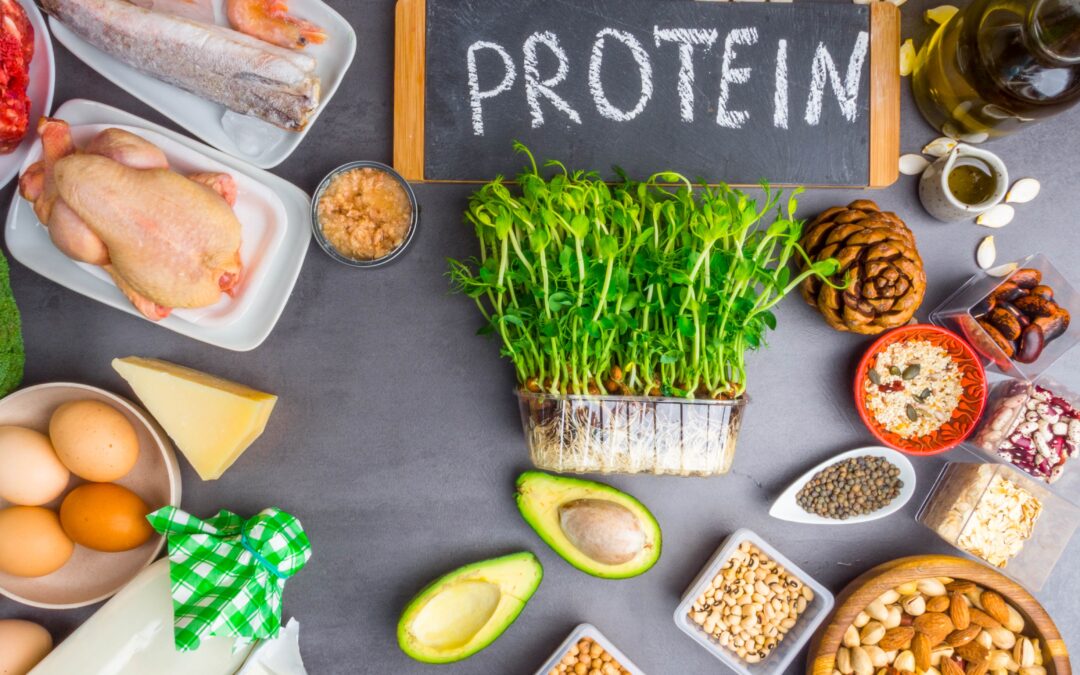
In parts one and two of this series, we explored specifics of women’s protein requirements like:
- optimal daily amounts for physiological function
- drawbacks of the current RDA
- how much might be too much
- the environmental sustainability of eating more protein
- and adverse physical effects of a higher protein diet
In this final (for now) post of the series, we’ll look closely at the protein needs of special populations such as children, those with connective tissue disorders like hypermobile Ehlers-Danlos syndrome, menopause, and those with autoimmune diagnoses.
We’ll also take a look at the ins and outs of the now-popular Carnivore Diet. What are the pros and cons of a strictly animal food-based diet?’
Children’s Protein Requirements
The younger the child, the higher the protein requirement in terms of grams of protein per kilogram of body weight.
The table below shows the current requirements with some suggestions based on the indicator amino acid oxidation (IAAO) method of calculating protein requirements, discussed in part one of this series.
The authors speak to the drawbacks of the nitrogen balance calculation method, also outlined in part one. Like other protein experts, they conclude that protein requirements are underestimated in nitrogen balance studies (1).

So why do children need more protein than adults?
Remember that protein is used for biosynthesis and structure much more than energy, aka production of ATP. Consider the wildly enhanced structural demands of a growing body. Kids are using protein to grow! In infants, for instance, up to 50% of energy intake is used for growth (2).
But some research warns against giving infants and young children too much protein (3, 4).
A study conducted to inform the Nordic Nutrition Recommendations, a set of guidelines for dietary composition and nutrient intake specific to the Nordic countries of Iceland, Norway, Finland, and Sweden, presents some possible risks of protein intake above 15% of daily calories in children.
Observational studies have shown connections between higher protein diets in infancy and early childhood and the risk of elevated BMI and obesity later in life.
Additionally, animal protein, specifically from dairy, was implicated in the connection more than plant proteins.
The reason behind this risk is probably due to protein’s influence on insulin and insulin-like growth factor 1. A “nutritional programming” hypothesis proposed by David Barker may explain the long-term issues mentioned above (5).
“Nutritional programming is the process through which variation in the quality or quantity of nutrients consumed during pregnancy exerts permanent effects upon the developing fetus” (6).
Think of nutritional programming as the information side of nutrients.
Yes, nutrients affect us directly by creating energy, supporting physiological processes, and building our structure. But they also act indirectly as potent signalers that influence how our body functions. They “program” us to work in a certain way.
Consider that, in utero, the fetus relies on glucose as its primary energy source. Once born, however, the baby will ideally rely on carbohydrates and fat. Breast milk, for example, is composed of 87% water, 1% protein, 4% lipid, and 7% carbohydrate (7).
It’s thought that human milk has the lowest protein of all mammalian milk, and this is reflected in the relatively slow growth rate of babies compared to other mammals.
Remember that higher-than-optimal amounts of protein lead to increases in insulin and insulin-like growth factor. Insulin is rightly known as an anabolic (growth-stimulating) hormone that regulates metabolism by participating in a cascade of chemical steps leading to the uptake of glucose into a cell.
But insulin also contributes to cell growth and differentiation, muscle protein synthesis, and glycogen and lipid formation while signaling to other metabolic hormones, like glucagon. It helps our bones to grow and form correctly and positively acts on the central nervous system. It is a crucial hormone for optimal physiological functioning!
However, too much insulin in the wrong context can lead to problems. For instance, too much insulin for a prolonged period, or too much insulin in an inflammatory state, can lead to decreases in insulin sensitivity and altered metabolism (8).
Another of these contexts may be the pattern discussed above: too much protein in utero or in infants and children influences the pancreas and insulin secretion, perhaps contributing to a “growth program” that is deleterious later in life (9).
However, it’s important to clarify that nutritional programming is a hypothesis: we can’t be fully certain about the accuracy or the mechanisms.
Most of the evidence for nutritional programming is observational or from animal studies. This means that while we can see connections between increased amounts of dietary protein in early life and later occurrences of obesity, we’re not sure if one is caused by the other or how.
Additionally, BMI is an affordable and convenient metric. But it doesn’t provide specifics about body composition.
“Limited studies examined the association between protein intake (both total and sources) and body composition (body fat, fat mass, and fat-free mass) and revealed inconsistent findings” (4).
This means that while elevated BMI is linked to increased protein intake in childhood, we’re not sure what percentage of body mass is fat mass or lean mass…or if this even makes a difference.
One research group explored a very similar idea. A 2012 systematic review and meta-analysis examined differences in body composition between breastfed infants and formula-fed infants who were presumably consuming higher protein.
They found that breastfed infants generally had a higher fat mass in the first year of life, while formula-fed infants had higher fat-free mass. However, this trend began to reverse around the 12-month mark.
“The apparent switch from higher adiposity in breastfed babies at 3–4 mo to greater adiposity in formula-fed babies at 12 mo would also support the possibility of a programming effect of early infant feeding on intermediary metabolism or appetite regulation.”
Although the differences in fat mass we described are small (of the order of 90 g at 3–4 mo of age and 180 g at 6 mo of age), our findings add to the developing understanding of the possible contributions of breastfeeding and formula feeding on risk of obesity in childhood and adult life” (10).
But this trend wasn’t present in a 2016 randomized controlled trial of 238 infants. This study found that, compared to breastfed infants, those given low or high-protein formulas had higher levels of fat mass and lower levels of fat-free mass until about 6 months of age (11).
What does all this mean in the real world?
The composition of breast milk is optimal for babies. However, it’s not always the best choice or even possible for parents!
So, if breastfeeding isn’t possible, try to use a formula with a protein, fat, and carbohydrate ratio similar to that of breast milk.
The research on the “early protein hypothesis,” the idea that too much protein early in life might cause metabolic disturbances later in life, is not crystal clear. Yes, there is a connection between growing larger and higher protein consumption in young children. But is this problematic?
It’s worth considering when we make nutritional recommendations for our kids or clients.
Protein Requirements in Menopause
Thankfully, protein requirements in menopause are more clear: menopausal females need a lot of protein!
But how much? We’ll get to that in just a minute.
The risk of sarcopenia, or the (previously believed to be age-related) loss of muscle mass and strength, starts to increase when hormones change, around age 45 for most females (12). Osteoporosis also becomes more likely at this time, along with increases in fat mass, especially around the abdomen and heart.
I wrote “previously believed to be age-related” because sarcopenia is present in about 10% of women beginning in their early 20s, with some women in their 30s and 40s experiencing more advanced, class II sarcopenia (13).
The Protein Leverage Effect, developed by Raubenheimer and Simpson in 2005, explores the links between protein and these occurrences (14).
Their publications explain a fascinating and hidden-in-plain-sight effect of protein and menopause: as females age and hormonal shifts lead to more muscle breakdown, appetite for protein increases to fulfill the enhanced physiological need.
However, if the increased appetite for protein is satisfied by the same macronutrient ratios eaten before menopause when muscle breakdown wasn’t an issue, then an excess of calories and a tendency toward obesity or increased fat mass may result.
Essentially, we satisfy our cravings by increasing the amount of protein we eat, no matter the source.
Here’s an example: 4 cups of black beans contain the same amount of protein as 1/2 pound of beef. Both are healthy, whole foods that can be enjoyed in a well-rounded diet.
However, 4 cups of black beans contain 908 calories, while 1/2 pound of beef contains 568 calories.
According to the Protein Leverage Effect, during perimenopause and menopause, it will be beneficial to focus on consciously increasing protein-dominant foods and fiber while slowly reducing (but not eliminating!) carbohydrates and fats. Eat more beef, poultry, protein-rich dairy such as cottage cheese, Greek yogurt, and parmesan cheese, eggs, and organic soy to fulfill protein requirements and maintain an appropriate amount of calories per day.
To learn more about the Protein Leverage Effect and the scientists behind it, read this article.
We can make good guesses about how many grams per day are optimal during menopause thanks to observational research and good old anecdotal experience. One study of over 350 postmenopausal women found that 1.1 g/kg per day of protein, or about 72 grams per day (versus the RDA of 0.8 g/kg/day), was linked to improved body composition and physical function compared to lower amounts per day (15).
And according to Dr. Stacy Sims, who specializes in female exercise physiology and research, 2.2 to 2.4 g/kg/day should be the protein goal for women in menopause (16). It’s true that she specifically works with highly athletic women, but no research we looked at reported detrimental effects of higher protein counts during menopause—only benefits. Decreased risk of hip fracture, improved metabolic markers, and increased longevity topped the list of protein-positive outcomes.
Connective Tissue Disorders and Protein
In this section, we’ll briefly examine dietary protein’s role in connective tissue diseases.
Rheumatoid arthritis, lupus, and scleroderma are the most well-studied connective tissue autoimmune diseases.
Hypermobility spectrum disorder and hypermobile Ehlers-Danlos Syndrome (which, under the 2017 revised nosology, are now two separate diagnoses) are connective tissue disorders generally attributed to genetics versus autoimmunity, though an autoimmune component may exist (17).
Hypermobility spectrum disorders & hypermobile Ehlers-Danlos Syndrome
Unfortunately, few studies illuminate optimal protein intake in hypermobility spectrum disorders (HSD) or hypermobile Ehlers-Danlos Syndrome (hEDS). In fact, even thorough research reviews outlining optimal dietary approaches fail to examine the role of protein (18, 19).
However, one small study conducted in 2022 reported that women with HSD/hEDS ate the same amount of calories but significantly less protein compared to age and BMI-matched controls. Every woman in the experimental group reported gastrointestinal symptoms and had lower bone mineral density than the women in the control group (20).
The authors state:
“The GI complications and the reduced protein intake long-term may have a lasting impact on bone health.”
It brings up the question: Why might hypermobile people be avoiding protein?
Another recent study of 691 hEDS patients helps answer this question. Researchers found that close to 50% had irregular eating patterns, mainly due to fear of symptoms such as nausea and indigestion (21).
My clinical experience matches these findings. My hypermobile clients have dealt with life-long GI symptoms, such as delayed gastric emptying (often resulting in nausea and constipation), difficulty swallowing, gastric reflux, and small intestine bacterial overgrowth, along with hiatal hernia and jaw instability.
The anatomy and physiology of the digestive system are negatively affected by connective tissue disorders.
Digestive symptoms are a double-edged sword: they sway those with hypermobility to eat easily chewed and digestible items such as simple carbohydrates and processed foods which indirectly lead to more dysfunction, including bacterial imbalances and deficiencies.
Eating hard-to-chew proteins is unappealing when jaw subluxation is a real (and painful) possibility!
Those with HSD/hEDS need more building, stabilizing, and repairing of tissues—the primary roles of protein—than the general population. They need protein more than almost anyone!
But what is the best way for them to ingest it?
In my practice, I encourage a gradual increase of easily-digested protein-rich foods such as broth, soft-boiled eggs, paté, and cottage cheese and Greek yogurt, if tolerated.
Along with this, we take steps to address the underlying cause of symptoms. Many times, it’s about reducing the foods that are most likely to trigger symptoms, such as glutinous grains, alcohol, acidic foods, or high-fat foods, and adding herbs and supplements to support GI health and tissue healing, such as marshmallow root, slippery elm, and supplemental collagen.
Finally, we pay attention to stress and the role of the nervous system. The gut-brain connection can play an enormous role in digestive unrest. Mindfulness exercises, stress reduction techniques, and even vagal stimulation such as singing can re-establish a healthy connection between the nervous and digestive systems.
You may notice that many of these interventions don’t directly concern protein intake. Rather, they make protein more digestible, absorbable, and appealing for those with HDS and hEDS.
Rheumatoid arthritis, lupus, and scleroderma
Rheumatoid arthritis, systemic lupus erythematosus, or lupus, and scleroderma are all systemic autoimmune diseases, meaning they affect multiple organs.
However, there are differences in the way each diagnosis creates symptoms.
And these differences influence the amounts of protein that are appropriate for each illness.
Systemic lupus erythematosus (lupus)
For instance, a moderate-protein diet is preferable for those with lupus. The reason stems from lupus’ influence on the kidneys.
Many people with lupus experience inflamed glomeruli, the approximately one million tiny blood filters located in each kidney (yes, one MILLION).
Accumulation of immune complexes (clusters of antibodies and antigens) is one reason for this inflammation. A well-functioning immune system would quickly clear these antibody/antigen complexes.
In lupus, however, they build up into large molecular networks and deposit in the kidneys, leading to inflammation, infection, and altered kidney function (22, 23).
In fact, approximately 50% of adults with lupus will develop kidney disease. This number rises to 80% in children with lupus (24).
“The basic pathological features of SLE are that of inflammation and blood vessel abnormalities, which include band or occlusive vasculopathy, vasculitis, and immune complex deposition.”
In order to lessen any excessive burden on the kidneys, those with lupus are counseled to eat only moderate amounts of protein, approximately 0.6-0.8 g/kg/day.
But this intake is critical: those with rheumatic diseases are at higher risk of sarcopenia than the general public. This risk is more than likely related to shared inflammatory pathways between lupus and sarcopenia (25). However, lifestyle factors such as limited mobility may also be at play.
As we’ve learned, protein intake can help lessen sarcopenic risk.
Essentially, it’s radically important for those with lupus to track protein intake so they eat the appropriate amount per day. Along with this, anti-inflammatory forms of protein, such as wild-caught fish, seafood, and organic soy will both satisfy protein requirements and dampen inflammation. Soy, the only protein-dominant plant food, has shown particular benefit for those with lupus (26).
Here’s a wonderful article that covers a number of broader considerations regarding nutrition for those with SLE.
Rheumatoid arthritis (RA)
There aren’t obvious reasons for those with rheumatoid arthritis to limit protein intake.
Unlike the immune complexes that generally drive inflammation and cause kidney dysfunction in lupus, symptoms of rheumatoid arthritis are largely linked to immune cells called macrophages, present in joint synovial fluid (27).
These cells release and recruit inflammatory compounds that lead to joint damage as well as systemic damage found in the liver, bones, and heart, for example.
While one epidemiological study found a moderately strong association between protein consumption, specifically from red meat, and RA (28), a more recent study did not confirm this connection (29).
So while anti-inflammatory forms of protein and protein preparation (boiling, steaming, and poaching versus searing, grilling, or frying) are wise choices, the amount of protein per day will likely not influence RA onset or progression. In fact, a higher intake of protein will reduce the risk for rheumatic-associated sarcopenia, as discussed above.
Systemic sclerosis (scleroderma)
Literally translated to “hard skin,” scleroderma is a connective tissue disorder that leads to the thickening and hardening of the skin, muscle, and bone. The systemic form of scleroderma affects the heart, lungs, digestive tract, and, critical to our conversation, kidneys.
One thorough review called it “one of the most complex systemic autoimmune diseases” (30). Abnormalities in both the innate and adaptive immune systems result in scarring and connective tissue overgrowth in the vascular system, skin, and internal organs. Additionally, each person with scleroderma has different triggers, exposures, and ways the disease manifests. So, it’s difficult to make blanket nutritional recommendations.
Gastric reflux is incredibly common in those with systemic scleroderma, along with gastroparesis, disrupted movement of food through the digestive system. Small intestine bacterial overgrowth and nutritional deficiencies of folate and B12 can be the result. (31)
The kidneys are often negatively affected by the systemic form of the disease. Thankfully, however, incidences of chronic kidney disease due to scleroderma have decreased over time, and subclinical kidney dysfunction does not usually progress to kidney disease (32).
The Scleroderma Foundation offers a thorough dietary guide. They do not recommend a low or limited-protein diet for those with the disease.
However, with such high rates of even preclinical kidney involvement, it may be wise for a licensed clinician to monitor protein intake if someone with scleroderma wishes to eat a higher protein diet.
And due to the commonality of digestive symptoms, it would be wise for those with the disease to ensure they’re eating enough protein per day. As we discussed in the section on hypermobility, digestive distress often makes protein consumption unappealing.
Autoimmune disease and the Carnivore Diet
The Carnivore Diet has soared in popularity as a therapeutic diet for autoimmune diseases. In the past few years, it has been backed by large names such as Joe Rogan and Dr. Paul Saladino, who wistfully refers to himself as “Carnivore, MD.”
The diet generally consists of meat, so it’s relatively high in protein, though there are variations. Muscle and organ meats, raw dairy, fruit, and honey are recommended by Dr. Saladino on his website.
The premise of the Carnivore diet is that due to plants’ inability to defend themselves in the same way as animals, via running, biting, or kicking, they evolved a chemically-based defense system. These defense compounds are what we refer to as phytonutrients or “anti-nutrients.”
Those promoting the diet believe that these plant defenses are harmful to humans through multiple mechanisms—nutrient-binding, digestive enzyme inhibition, photodamage, inflammation—and that plants (except for fruit, in some instances) should not be included in the human diet.
Obviously, this is very different from most nutritional philosophies!
The anecdotal experiences of those experimenting with the Carnivore diet are largely positive and sometimes incredibly positive, though some people report prolonged loose stools, hormonal imbalances, or fatigue after exertion.
But what does the science say? Not extrapolated hypotheticals, but primary research on the Carnivore diet?
Unfortunately, there’s not much.
One survey of those eating the Carnivore diet found high satisfaction and health benefits (33).
“Participants reported high levels of satisfaction and improvements in overall health (95%), well-being (66%–91%), various medical conditions (48%–98%), and median [IQR] BMI (in kg/m2) (from 27.2 [23.5–31.9] to 24.3 [22.1–27.0]).”
Notably, those with diabetes reported reductions in BMI, glycated hemoglobin, and medication use.
Negatively, participants described an increase in LDL cholesterol. And the study’s most glaring limitation: all effects were self-reported.
However, a study of low carbohydrate diets high in red meats or poultry, fish, and shellfish found more positive outcomes for cholesterol. Researchers found that those eating a low-carb diet high in red meat and those eating a low-carb diet high in poultry, fish, and shellfish experienced significant weight loss and did not have any statistically significant changes in cholesterol parameters other than reduced triglycerides (34).
Multiple publications have been written by Amber O’Hearn on the Carnivore diet. However, while she claims that the Carnivore diet supplies all essential nutrients (35), her citations to back these claims are woefully lacking. She references this paper and this one as evidence of the harm brought on by plants. However, the summary of the first paper states,
“A comprehensive review of the bioactivity of glycoalkaloids and their aglycones of the Solanum species, particularly focused on comparison of their bioactivities including their anticancer, anticholesterol, antimicrobial, anti-inflammatory, antinociceptive, and antipyretic effects, toxicity, and synergism of action of the principal Solanum glycoalkaloids, correlated to differences of their individual molecular structures is presented.”
Anticancer and anti-inflammatory don’t seem problematic to me. My guess is that she is drawn to the word “toxin,” and this is where I believe the real conversation begins.
Those recommending the Carnivore Diet and accusing plant chemicals of harm don’t discuss the complexities of hormesis (36).
Hormesis is the positive adaptation of an organism to moderate stress.
Hormetic stress is largely responsible for the benefits of exercise, caloric restriction, and, you guessed it, “anti-nutrients” found in plants.
Too much stress and the organism suffers. Not enough stress and the organism fails to thrive. But with just the right amount of stress, the organism becomes stronger and more resilient.
To be clear, I have no doubt that the Carnivore Diet relieves symptoms for those who report benefits. I fully support using foods in bio-individual ways for exploration and healing.
But I also think it’s important to explore why a therapeutic diet is helpful. Based on what we know from years of research on hormesis, biochemical oxidation-reduction reactions (37), and the benefits of plant foods, I’m not sure we can peg plant poisons as the reason for Carnivore success.
- Is it the higher protein content that feeds a protein-hungry immune system?
- Is it that those with certain immune aberrations are less tolerant to the slight stress created by ingesting plant foods?
- Is the microbiome involved?
We’re not yet certain, but I’m excited to see the mechanisms discovered.
Yes, I work with 1:1 clients and I specialize in complex health issues!
Click here to schedule a free 15-minute consultation if you’re ready to address your individual nutrition needs.
References
- https://www.ncbi.nlm.nih.gov/pmc/articles/PMC8147948/
- https://www.researchgate.net/publication/286056497_Neonatal_Physiology_and_Metabolic_Considerations
- https://www.ncbi.nlm.nih.gov/pmc/articles/PMC3664059/
- https://www.ncbi.nlm.nih.gov/pmc/articles/PMC8483959/
- https://obgyn.onlinelibrary.wiley.com/doi/10.1111/aogs.12378
- https://pubmed.ncbi.nlm.nih.gov/36297106/
- https://www.ncbi.nlm.nih.gov/pmc/articles/PMC6198081/
- https://www.nature.com/articles/ejcn2014123
- https://www.researchgate.net/publication/51440562_Adverse_effects_of_nutritional_programming_during_prenatal_and_early_postnatal_life_some_aspects_of_regulation_and_potential_prevention_and_treatments
- https://pubmed.ncbi.nlm.nih.gov/22301930/
- https://www.ncbi.nlm.nih.gov/pmc/articles/PMC4697297/
- https://pubmed.ncbi.nlm.nih.gov/21353405/
- https://pubmed.ncbi.nlm.nih.gov/12028177/
- https://obgyn.onlinelibrary.wiley.com/doi/10.1111/1471-0528.17290?af=R
- https://www.ncbi.nlm.nih.gov/pmc/articles/PMC4433492/
- https://www.drstacysims.com/blog/Why-Women-Need-to-Prioritize-Protein
- https://link.springer.com/article/10.1007/s12026-022-09280-1
- https://link.springer.com/article/10.1007/s13668-021-00373-1
- https://onlinelibrary.wiley.com/doi/abs/10.1002/ajmg.c.31431
- https://www.sciencedirect.com/science/article/pii/S1094695022000580
- https://gut.bmj.com/content/71/Suppl_1/A184.1
- https://pubmed.ncbi.nlm.nih.gov/17785292/
- https://www.ncbi.nlm.nih.gov/pmc/articles/PMC1769989/
- https://www.niddk.nih.gov/health-information/kidney-disease/lupus-nephritis
- https://www.ncbi.nlm.nih.gov/pmc/articles/PMC7461030/
- https://www.cambridge.org/core/journals/nutrition-research-reviews/article/an-update-on-diet-and-nutritional-factors-in-systemic-lupus-erythematosus-management/992C22937FC53A6B1D3D30BC97B331E9
- https://www.ncbi.nlm.nih.gov/pmc/articles/PMC7377929/
- https://pubmed.ncbi.nlm.nih.gov/15593211/
- https://www.ncbi.nlm.nih.gov/pmc/articles/PMC1860075/
- https://www.ncbi.nlm.nih.gov/pmc/articles/PMC4459100/
- https://www.ncbi.nlm.nih.gov/books/NBK537335/
- https://www.ncbi.nlm.nih.gov/pmc/articles/PMC5762953/
- https://academic.oup.com/cdn/article/5/12/nzab133/6415894
- https://www.ncbi.nlm.nih.gov/pmc/articles/PMC2174488/
- https://pubmed.ncbi.nlm.nih.gov/32833688/
- https://www.ncbi.nlm.nih.gov/pmc/articles/PMC2248601/
- https://www.frontiersin.org/articles/10.3389/fcell.2021.714370/full