
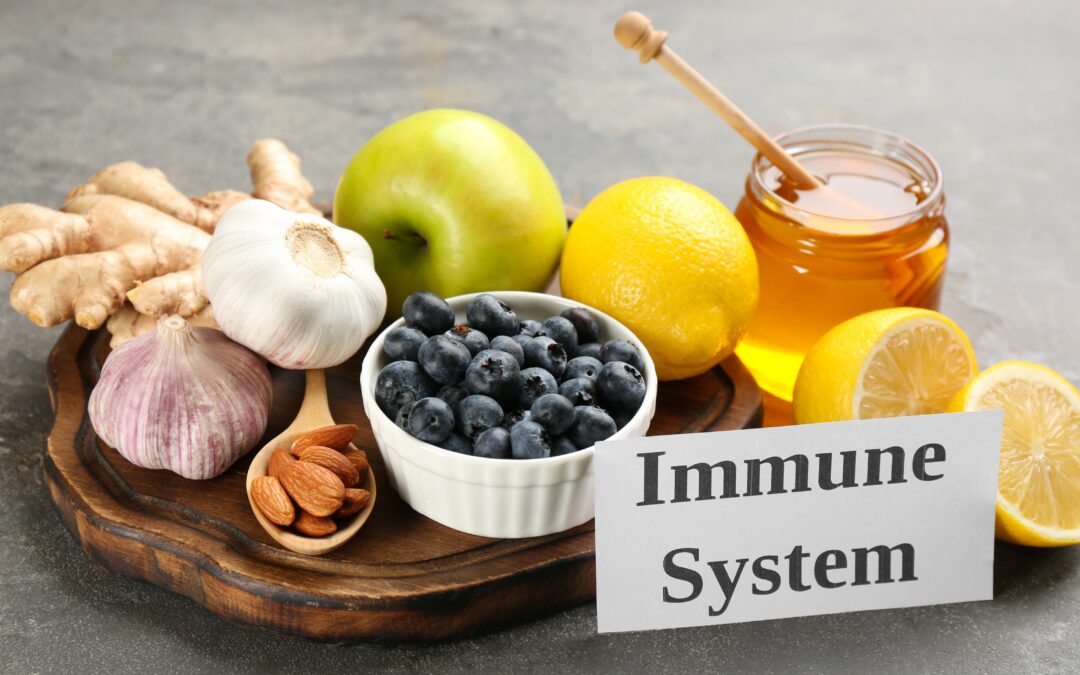
This time of year, a lot of people are concerned about immune health. You may wonder how to keep your immune system strong while commuting, working, traveling and conducting your daily activities. Or your foremost concern may be keeping your family as healthy as possible over the winter months, through exposures at school, at the playground, library and even at medical visits.
Let’s put things in perspective. Optimizing immune health doesn’t mean stopping your body from ever developing symptoms of “illness” – in fact, the body’s dynamic response to an infective agent is a positive sign. But of course, none of us wants to fall ill constantly, either!
This post will cover some key concepts regarding immune health and share easy-to-implement action steps you can integrate this season.
Please note: this post doesn’t cover supplements, but you can look forward to in-depth coverage of supplements in a future post!
The proper balance between activity and rest
Many people need more rest during the fall and winter months. As humans, we evolved without electricity, and our ancestors slept and rested more during the winter months. One easy way to keep your and your family’s immune system strong is to go to bed earlier when the days get darker and the nights are longer. Avoid over-using bright and stimulating lights (including screens) and use soft lighting as much as possible.
And, of course, if you feel like you’re coming down with something, slow down and rest to let your body’s physical resources prioritize healing.
Optimal nutrition for immune health
During the fall and winter months, enjoy the tradition of eating warming protein-rich foods prepared in a meat stock or bone broth base. Chicken and duck soup, meaty stews, roasted root vegetables, sautéed Brussels sprouts—the choices are almost endless.
Choose herbal teas that warm the body and support the immune system as well. These include ginger tea, rosehip tea and spiced teas containing cinnamon, cloves, cardamom, and more. You can use these same herbs to flavor your normal cooking as well.
Nutrient-specific choices for immune health
Foods rich in antioxidants, vitamins A, D, and C, zinc, magnesium and iodine are great for the immune system. But it’s not the isolated nutrients alone as much as the synergy in the whole foods themselves. Below are some examples of immune-boosting foods. Avoid any foods you do not like or tolerate, even if they’re recommended here!
Some nutrient-specific foods
Vitamin A: Grass-fed butter, grass-fed ghee, red palm oil: use to sauté food, in baking, as a spread, etc.
Vitamin D: Grass-fed organic lard, ghee, roasted pasture-raised chicken and poultry with the skin on, pasture-raised egg yolks.
Zinc: Oysters, red meat, poultry, sesame seeds, pumpkin seeds, pine nuts
Vitamin C: Lemons, limes, oranges, grapefruit, kale and other greens, broccoli/cauliflower/Brussels sprouts, papaya, mango, pineapple, kiwi, citrus fruit, strawberries, rose hips, acerola and more!
Daily Food Ideas for Immune Health
- Warm bone broth with some chickpea miso, grated ginger and crushed garlic, and seaweed: Heat up the seaweed as you heat up the bone broth. Add the crushed garlic and grated ginger right before removing from heat, and stir in the miso when the broth has cooled enough in your bowl that it doesn’t burn your finger.
- Sauerkraut and other lacto-fermented (probiotic) vegetables: If you make your own, know that including garlic and/or ginger can add flavor and immune-supporting benefits.
- Beet kvass, particularly with garlic.
- Raw grass-fed dairy from a trusted source. Raw colostrum is even more powerful.
- Grass-fed organic organ meats from a trusted source. It’s rich in fat-soluble vitamins, especially vitamin A, in B vitamins that protect us against stress and in minerals such as magnesium, to name just a few. You can chop it up and add it to ground meat in hamburger, taco and meatloaf recipes or make a liver paté.
- A rainbow of fresh, local and organic fruits and vegetables for fiber, antioxidants, prebiotics, polyphenols and other phytonutrients.
Probiotic foods
Probiotic foods, such as sauerkraut, pickles and cultured vegetables, miso, raw milk yogurt, crème fraiche, water kefir, kvass and kombucha are pretty amazing in terms of their digestive and immune benefits.
If you’re not used to consuming probiotic foods, start with small amounts and increase slowly to find the right amount for you. If you feel you’re reacting to your probiotic food or supplement or are unsure of how much is right for you, please reach out for support!
Confused about how to support your immune health? Get in touch so we can talk!
My work is all about looking at the pieces of the puzzle in your unique health journey so as to recommend the nutrition and lifestyle most aligned with your health history, your current life context, and your health objectives. Click here for a free 15-minute consultation.
Join my mentoring group for nutrition practitioners
If you’re a holistic health practitioner looking for support on your complex client cases, I’d love to mentor you! I have a wonderful clinical case study group that you can join.