
By Sara Russell, Ph.D., FNTP
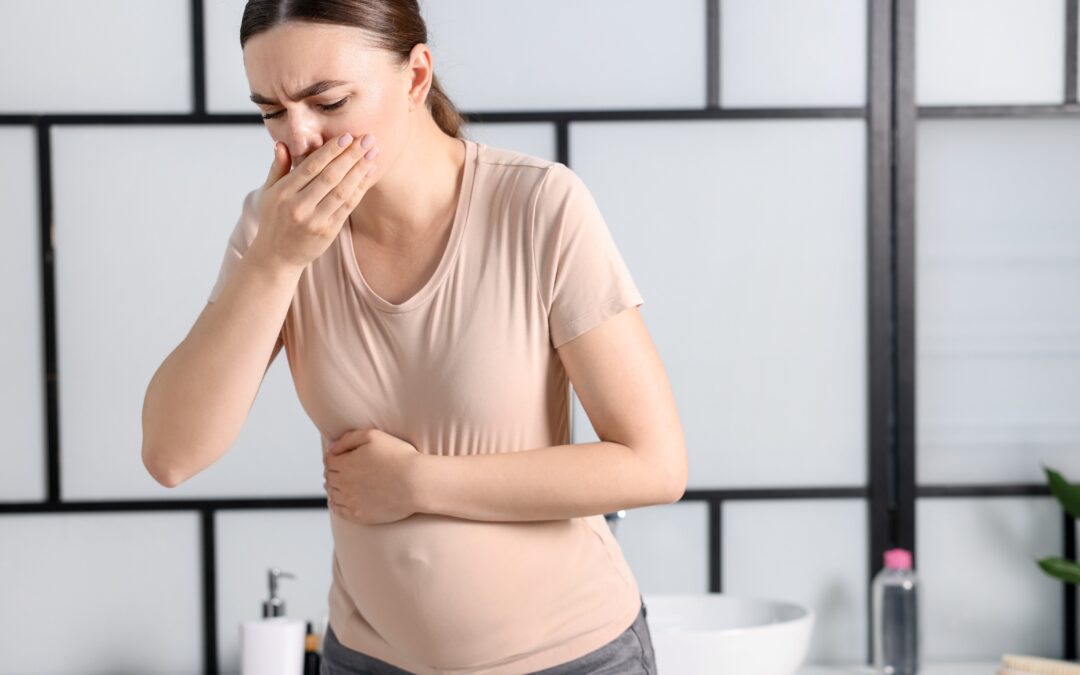
Reflux is a common complaint during pregnancy. Learn what causes it, so you can limit symptoms and stay as comfortable as possible.
What are reflux and heartburn?
Reflux occurs when some of the digestive juices and other contents of your stomach splash up into your esophagus. Heartburn is a very uncomfortable feeling of tightness or burning in the chest that can occur as a result of reflux.
What causes them?
The contents of your stomach move upward when the lower esophageal sphincter (LES), the valve that separates the top of the stomach from the bottom of the esophagus, is not fully closed. Everyone has their own degree of tightness or laxity in this valve. During pregnancy, hormonal changes (particularly the increase in progesterone) can cause excessive relaxation of this valve. Add to that the additional pressure on your inner organs as your uterus expands late in pregnancy, and you can definitely find yourself experiencing some digestive distress…
What can I do to prevent, limit or address symptoms?
Eat/drink: Homemade gelatin snacks, ginger tea, probiotic foods, okra, tripe, and soups made from soothing meat stock
Hydrate well: Drink plenty of water throughout the day (about 64-80 oz), preferably at room temperature. Sip rather than gulp, and drink more outside of meals than during meals. Daily meat stock helps with hydration and soothes the digestive tract.
Avoid: Irritating foods such as tomatoes, citrus, mint, spicy food, eggplant, bell peppers, alcohol and coffee
Relief measures: Chiropractic/osteopathic care by a practitioner trained and experienced in pregnancy.
Factors that aggravate reflux
Certain lifestyle habits can definitely make reflux worse. Here are some of them:
- Eating while stressed or in a hurry
- Eating too much at once; delaying meals until ravenous – this may cause you to eat too much and too fast or to choose unhealthy food options
- Eating while angry or afraid or during an argument
- Eating protein along with excessive sugars, starches and/or fruit. Proteins require more time in the stomach than starches do. When you eat proteins with sugars, fruits or starches, these will tend to ferment in the stomach and will put pressure on the lower esophageal sphincter, making it more likely for reflux to occur.
- A diet high in starches and sweets
- Caffeine
- Antacids
- Tobacco and/or alcohol, which pregnant moms should not be using anyway. I’m not shaming anyone here! But do reach out for help quitting.
- Ice-cold drinks
- Carbonated beverages – sparkling water away from meals is fine for most
Lifestyle and nutrition tips for reducing reflux and heartburn
- Relax before, during and after meals
- Chew food well
- Eat small, frequent meals to prevent over-filling of your stomach
- Avoid combining sweet and starchy foods with high-protein foods
- Exercise gently every day
- Do something relaxing every day
- Follow the nutrition and hydration suggestions above
- Get pregnancy-focused chiropractic/osteopathic care
Learn more by becoming a Build, Nurture, or Restore member
If you’re a practitioner wanting to learn how to support your clients with confidence through common nutrition and health concerns that occur during pregnancy, you can learn more about my Feed Your Pregnant Body!™ program here.
The Feed Your Fertile Body!™ and Feed Your Growing Family!™ programs are also available and offer empowering nutrition and lifestyle content to prepare for and recover from pregnancy.